
Most organizations don’t resist change because it’s wrong.
They resist it because they don’t yet believe the outcome will outperform the current state.
That’s not cultural.
That’s structural.
One book I’m reading The True Believer reminded me of so much:
Before people move, they must believe tomorrow is meaningfully better than today.
So when someone inside your organization builds that belief…
when they install the momentum…
when they guide a team, division, or asset 6–12 months into a higher-performing state…
A predictable pattern emerges to us with a Greenbelt background:
• The system improves.
• Performance stabilizes.
• The result becomes “how things work now.”
And the mechanism that created it?
Disappears from view.
(Sip.)
This is where most organizations and communities ( the U.S. Economy ) lose speed.
Because once a better state becomes normalized,
the next level of optimization seems unnecessary… all over again.
Until performance plateaus.
Or risk reappears.
If you’ve ever led an initiative others didn’t yet understand, you’ve seen this:
• The resistance at the beginning
• The relief at the result
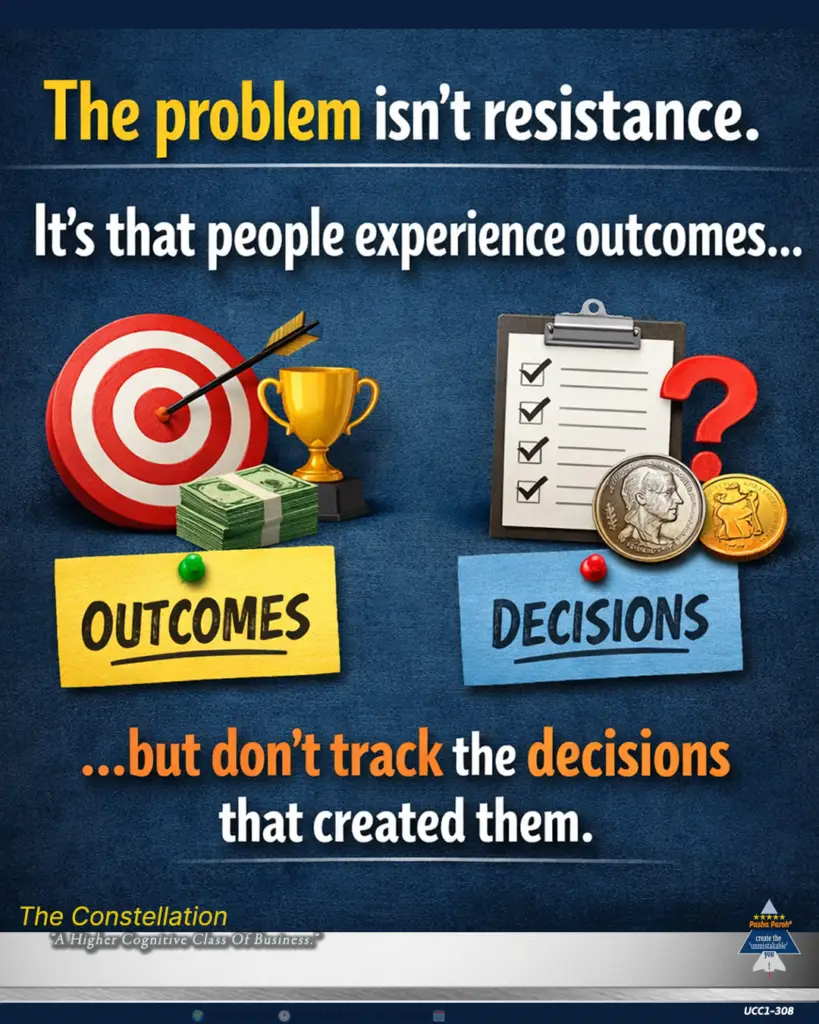
• The amnesia in between
This is the hidden constraint in continuous improvement.
Not capability.
Not capital.
Belief velocity.
(Stay here a second.)
So if you’re responsible for building the future state of an organization:
Don’t expect recognition to scale with impact.
Because the more effective the system…
the more invisible the intervention becomes.
As Simon Sinek has pointed out in principle:
We tend to reward those who fix problems…
more than those who prevent them.
Prevention doesn’t present itself on a dashboard.
But it shows up in:
• Reduced volatility
• Faster decision cycles
• Higher-quality revenue
• Lower operational risk
The question isn’t whether your organization can improve.
The question is:
Can it recognize ( and retain ) the people who make improvement repeatable?
#GreenBeltProcess

Leave a Reply