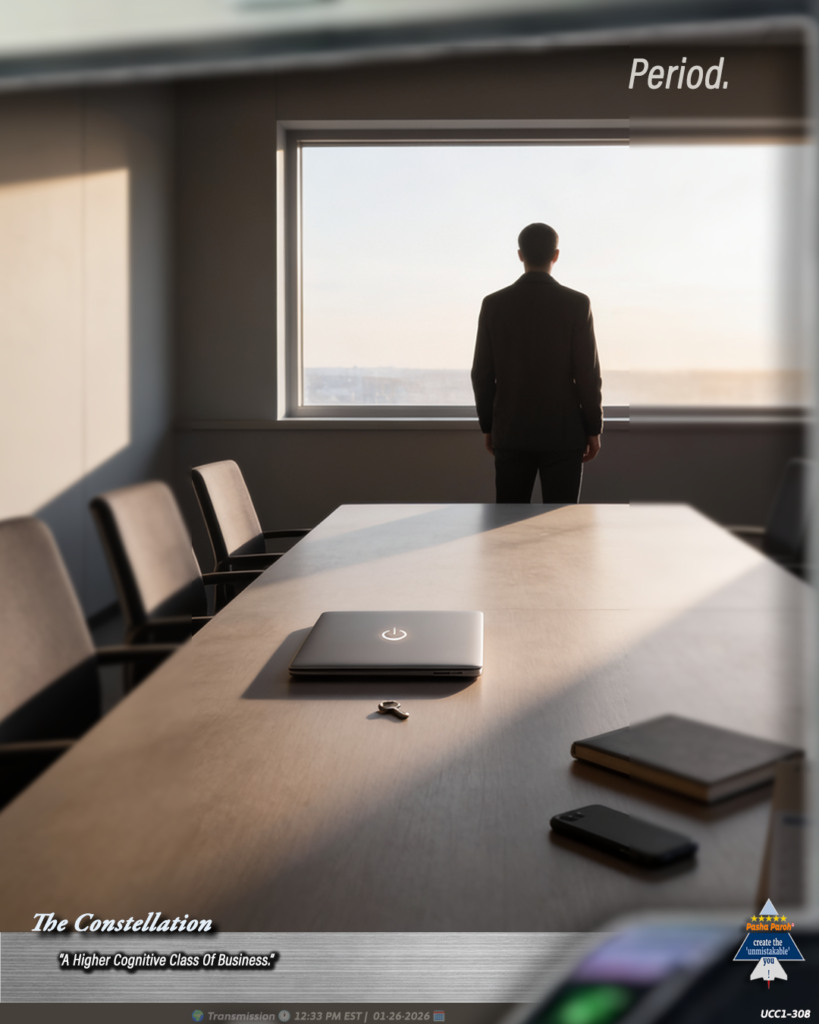
When curiosity is sedated, people stop planning and start checking.
Snow didn’t create the problem.
It revealed it.
Systems built for comfort quietly train people to wait for disruption
before asking operational questions.
That’s why the question wasn’t:
“How do we prepare?”
It was:
“How are the roads right now?”
Not logistical.
Orientational.
Here’s the part most people already recognize:
Americans spend 5+ hours a day on their phones.
Procrastination is normalized.
Attention is fragmented.
Planning feels heavy.
Checking feels safe.
So instead of asking:
• How do I plan for winter driving?
• What routes fail first?
• How is treatment prioritized?
People wait.
Then ask:
“How bad is it right now?”
A society that waits for snow to ask about roads
has already outsourced foresight.
The road didn’t suddenly become dangerous.
The habit of not thinking ahead already was.
🧠 You’re not imagining this.
People now wait for reality to break
before asking operational questions.
They wait for:
• Weather
• Crisis
• Headlines
• Push notifications
Perception of readiness ≠ actual readiness.
This same pattern shows up quietly in business:
• Owners feel stable ( until something breaks )
• Planning becomes reactive, not anticipatory
• Growth outpaces operational capacity
And here’s the part most teams sense but don’t say out loud:
Successful marketing doesn’t expose weak operations.
It buries them.
Which is why the most dangerous gap in business today
isn’t effort.
It’s anticipation.
If this made you pause,
you already know where it’s showing up.
#TheSignal #AnticipationGap #SystemsThinking #OperationalStrategy
#BusinessPsychology #AttentionEconomy #LeadershipInsight #NeuroAesthetics
#CulturalInfrastructure #QuietAuthority

Leave a Reply